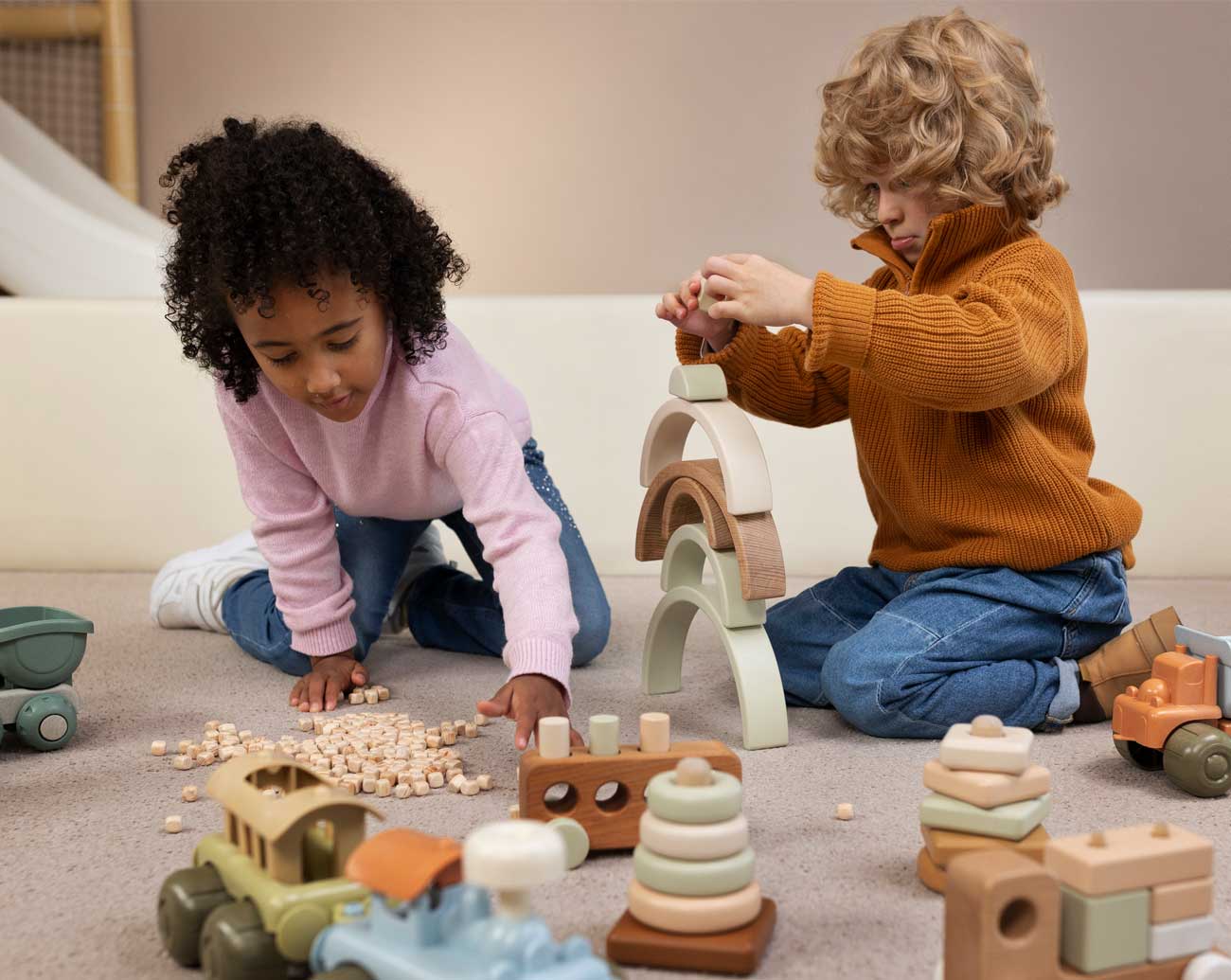
Play is often seen as a simple and enjoyable part of childhood, but its significance extends far beyond mere amusement. It is a critical component of child development, serving as a foundation for learning, socialization, and emotional growth.
Play is a critical component of child development
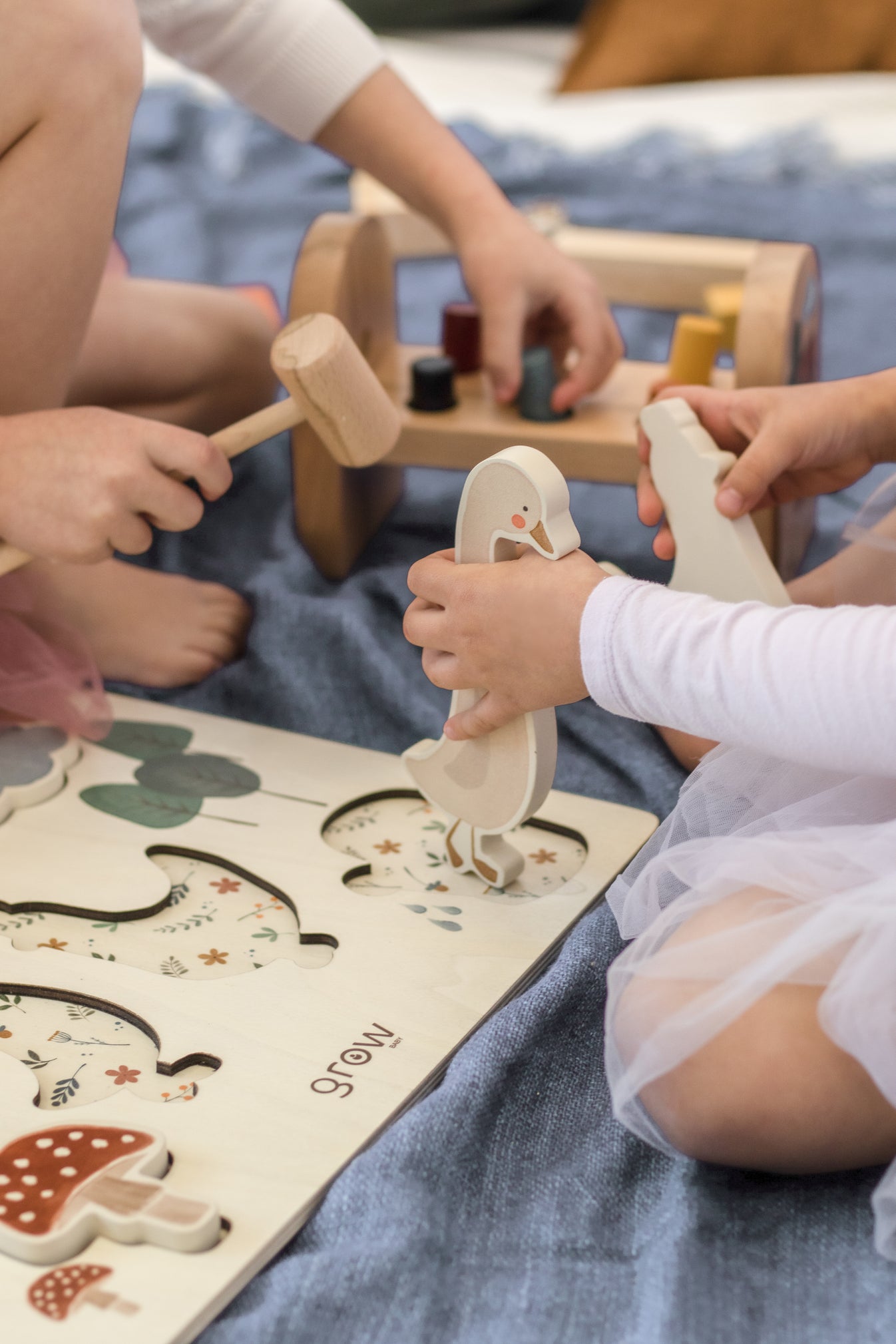
Grow Baby Country Puzzle
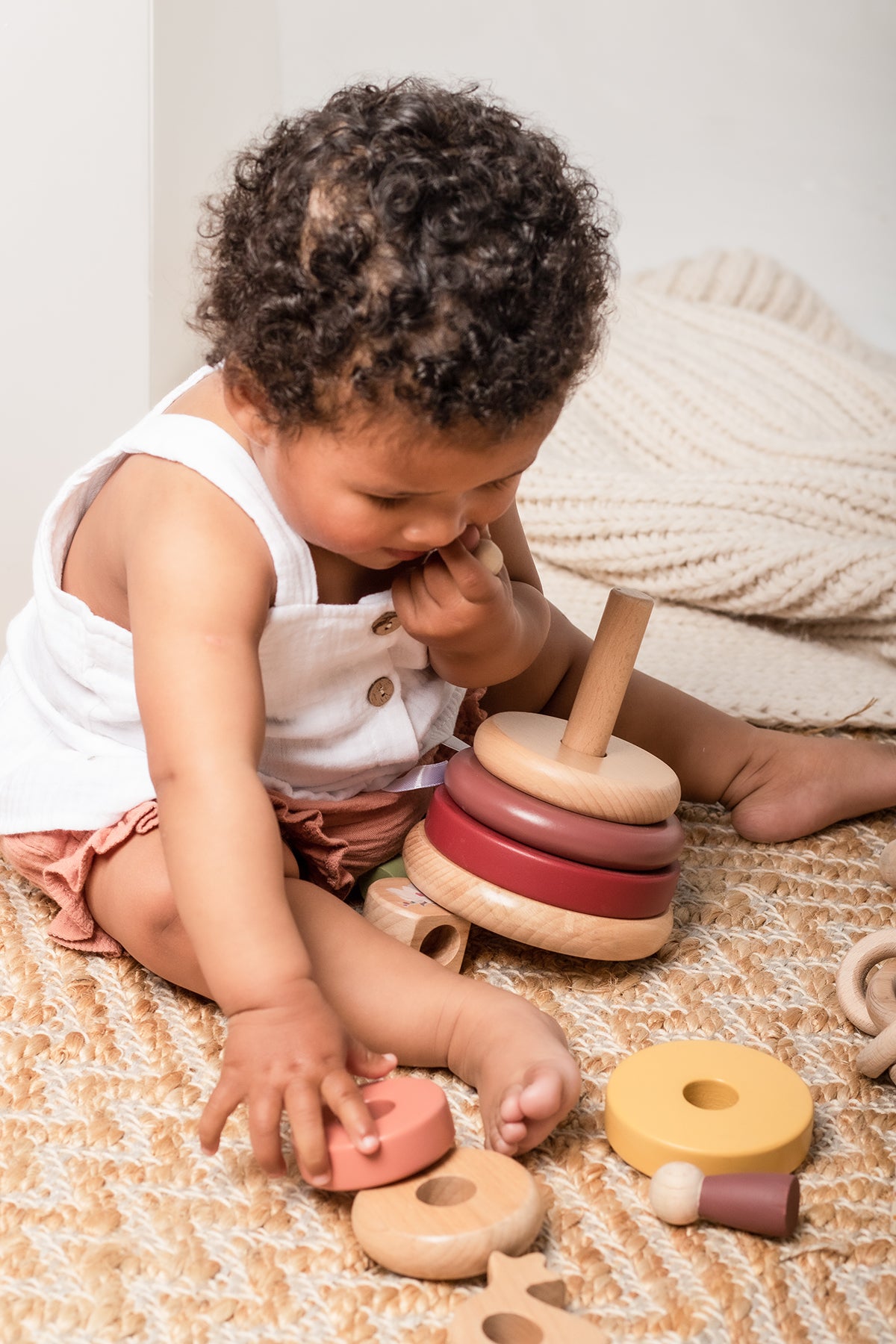
Grow Baby Ring Stacker
Cognitive Development
Play is a powerful catalyst for cognitive development. Through play, children engage in activities that stimulate their brains, encouraging problem-solving, creativity, and critical thinking. For instance, building blocks or puzzles help children understand spatial relationships and develop logical reasoning. Pretend play, where children imagine themselves in different roles and scenarios, enhances language skills and promotes abstract thinking. These activities not only make learning enjoyable but also foster a love for discovery and curiosity.
Physical Development
Physical play, including activities like running, climbing, and playing ball games, is essential for the development of motor skills. It helps children improve their coordination, balance, and strength. Fine motor skills, which involve smaller movements such as drawing, cutting, or manipulating small objects, are also honed through play. These skills are crucial for daily activities and academic tasks, such as writing and using tools.
Social Development
Social play is a cornerstone of social development. When children play with others, they learn important social skills such as sharing, negotiating, and cooperating. Group play activities teach children how to communicate their ideas, listen to others, and resolve conflicts. These interactions help them understand social norms and develop empathy, as they learn to consider the perspectives and feelings of their playmates. Play provides a safe environment for children to practice and refine these skills, which are vital for their future interactions.
Emotional Development
Through play, children also explore and express their emotions. They often act out different scenarios, which helps them understand and manage their feelings. For instance, playing house allows children to experiment with family roles and dynamics, helping them process their experiences and emotions. Play can also serve as an outlet for stress and anxiety, providing a way for children to cope with difficult situations. The joy and satisfaction derived from play contribute to a child’s overall sense of well-being and self-esteem.
Play is far more than just a way for children to pass the time. It is a fundamental aspect of their development that impacts their cognitive, physical, social, and emotional growth. By understanding the importance of play and creating supportive environments, parents and educators can ensure that children have the opportunity to develop to their fullest potential. As children play, they not only have fun but also build the skills and knowledge they need for a successful and fulfilling life.